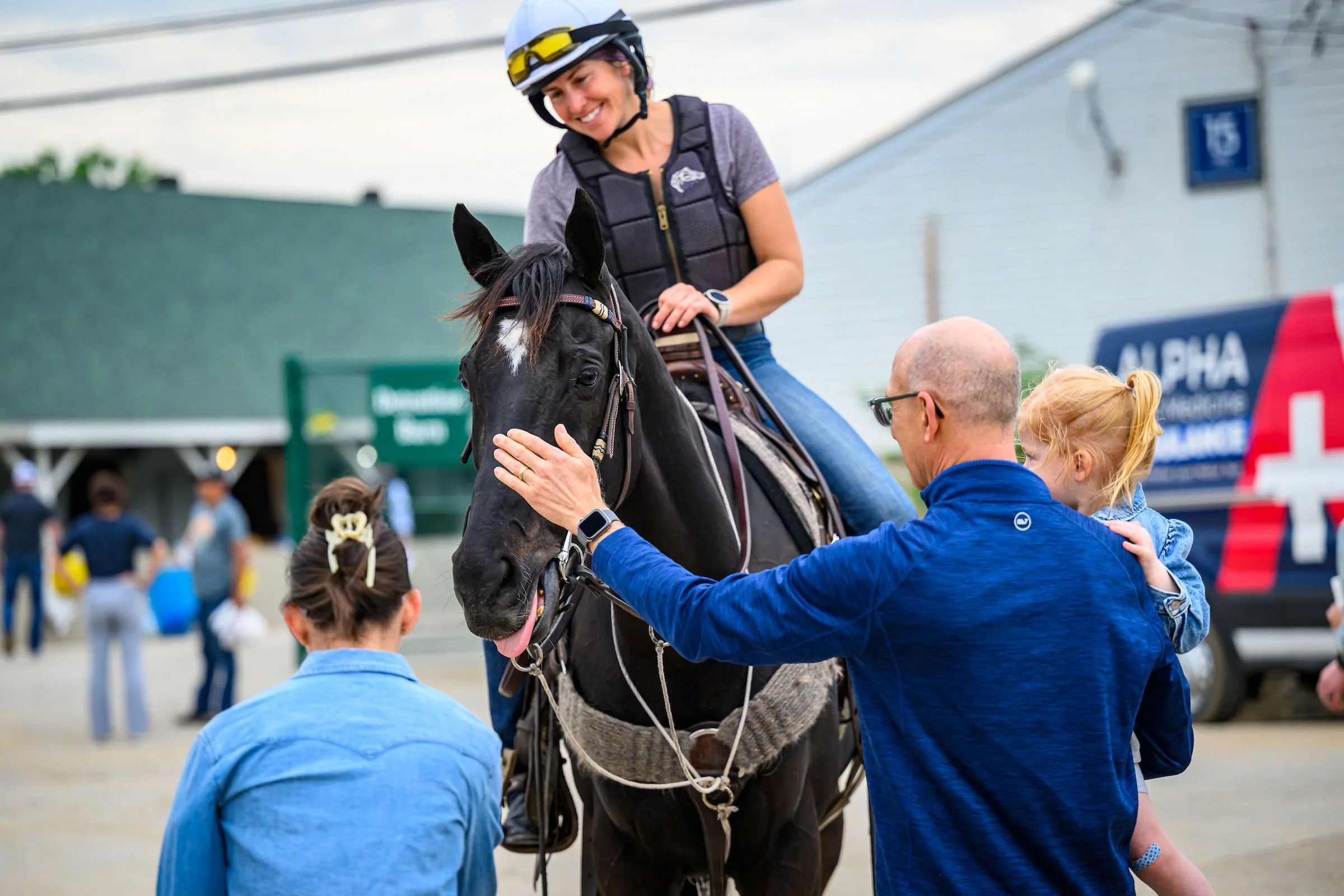
What It’s Like to Own A Racehorse’

When It’s Yours, Everything Changes
From the outside, ownership looks simple. You buy a horse, cover the expenses, and hope for a good result.
Then your name shows up in the program at Saratoga Race Course, or you watch your silks step onto the track at Churchill Downs, and something shifts in a way that’s hard to describe until you feel it yourself.
You start noticing the small things. The way the horse walks in the paddock or the air feels heavier as post time gets closer. When the gates open, the noise blurs and your pulse takes over. Two minutes stretch longer than they should, and every stride feels like it’s happening inside your chest.
That’s the part no spreadsheet prepares you for.
A Typical Ownership Journey
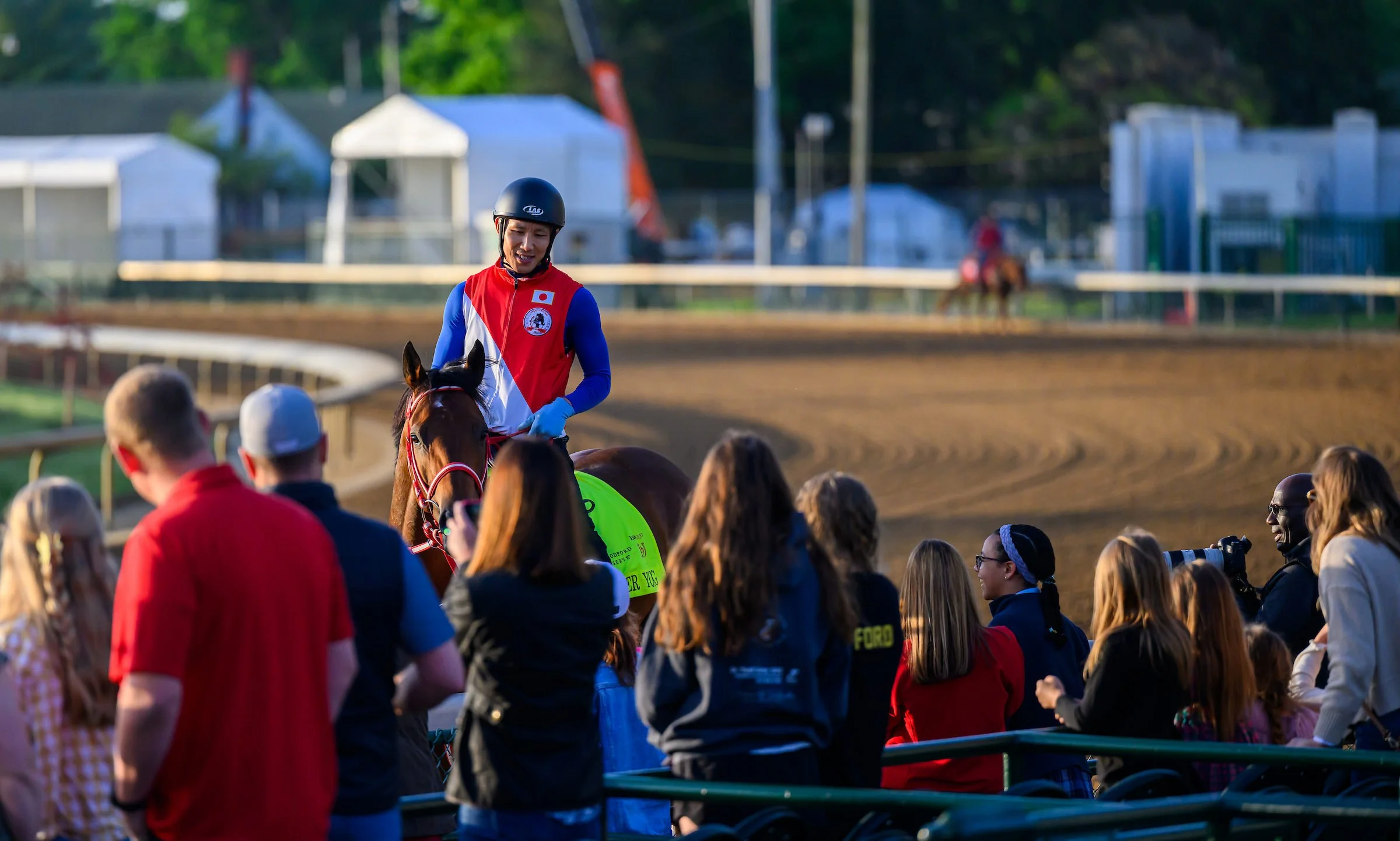
The Beginning
It usually starts with a decision that feels small in the moment.
Maybe you raise your hand at an auction or join a partnership and see your name added to the ownership line.
At first, it feels procedural. Paperwork and a handshake.
And then your name shows up in the program at Churchill Downs, Saratoga Race Course, or even at your local track, and the shift happens. It’s now personal.
Instead of watching the story unfold, you’re inside it.
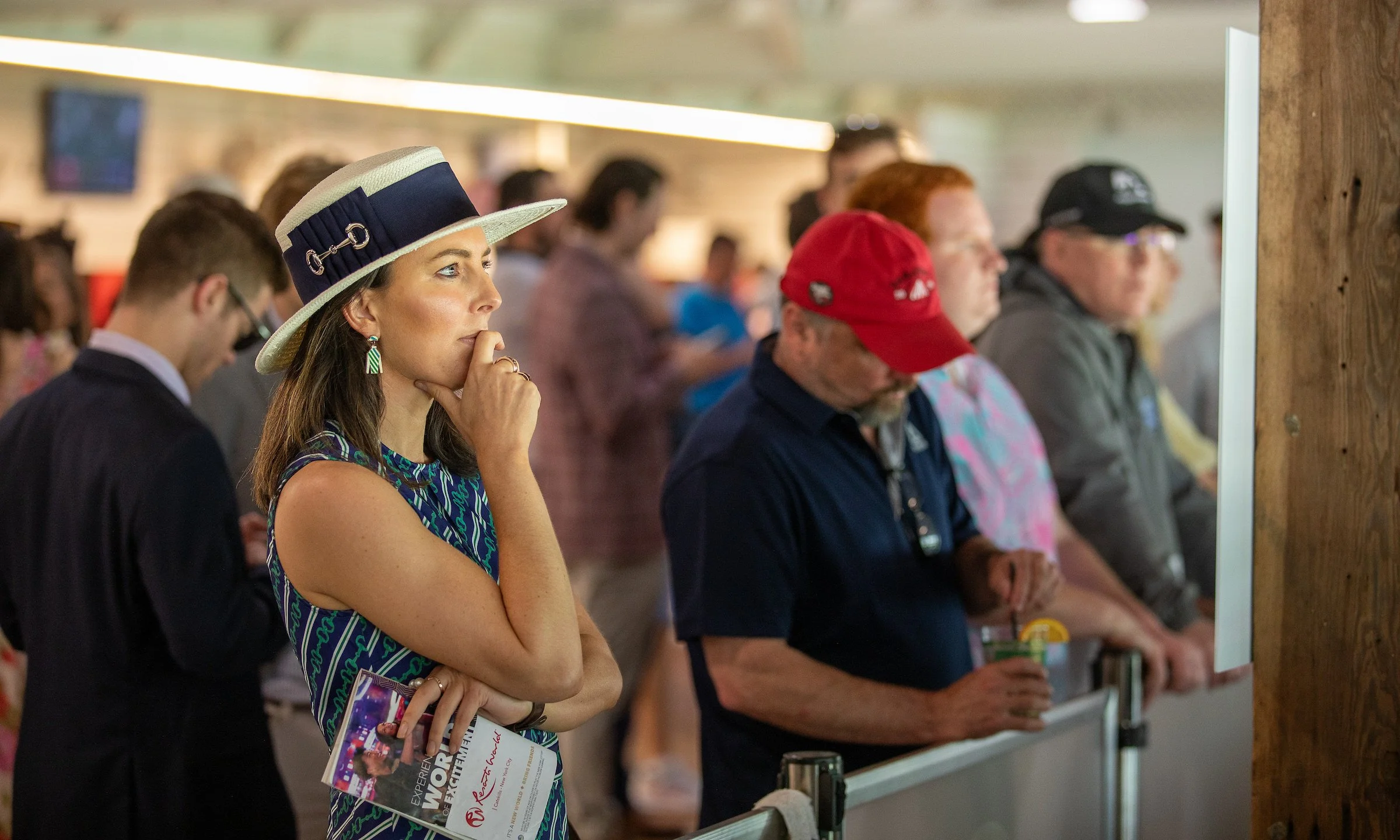
The Waiting
The truth is, a lot of ownership is waiting.
Horses aren’t machines. They’re living athletes with their own timeline, and progress doesn’t move on demand. You learn patience whether you planned to or not.
But this isn’t dead time.
It’s workout updates that make you lean in and training notes that suddenly matter more than you expected. And when the entry finally comes through, all that waiting snaps into focus.

Race Day
Race day has a pulse.
Everyone pretends to be calm, but no one really is. The horse walks into the paddock and everything slows down just enough for you to take it all in.
All the early mornings and small progress reports have led to this two-minute window.
When the field loads into the gate, you’re not thinking about investment or logistics or what comes next. Win or lose, the moment lingers.
Because for those two minutes, everything narrowed to one thing, and you were right in the middle of it.
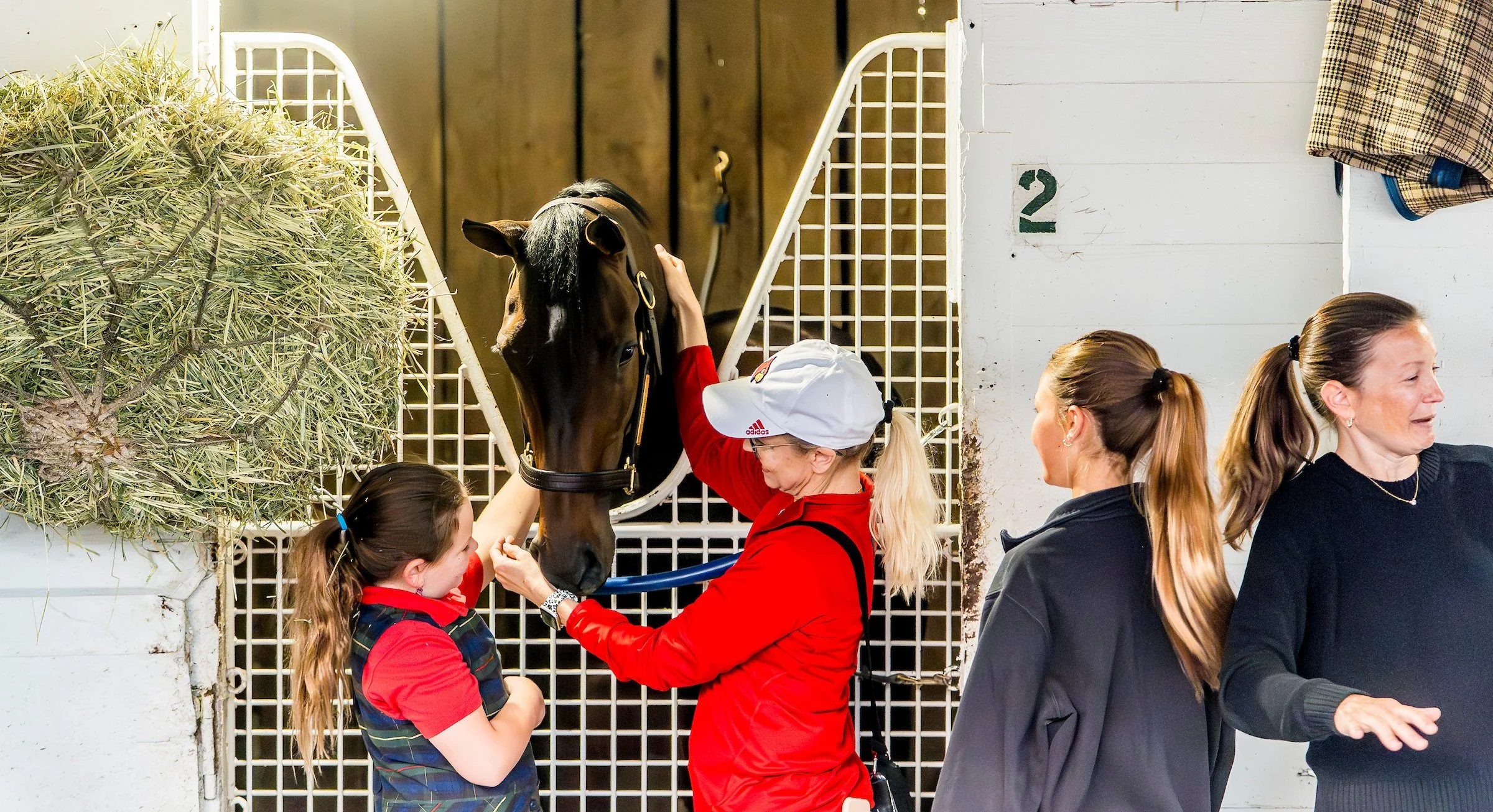
The Highs and Lows
Ownership stretches you.
When your horse steps onto the track in your silks, it feels earned. A win is the pride of seeing a plan come together after weeks or months of patience.
And then there are the other days.
A race that doesn’t unfold the way it looked on paper or an injury that forces you to rethink the entire campaign. Horses have their own timelines, and they don’t always align with yours.
The emotional swing is part of the deal. That’s why you learn to appreciate small improvements. You also learn that progress counts, even when you don't get the ideal result.
The wins feel bigger because the path isn’t smooth. And the lows make you realize how much you care.
What Owners Say They Didn’t Expect
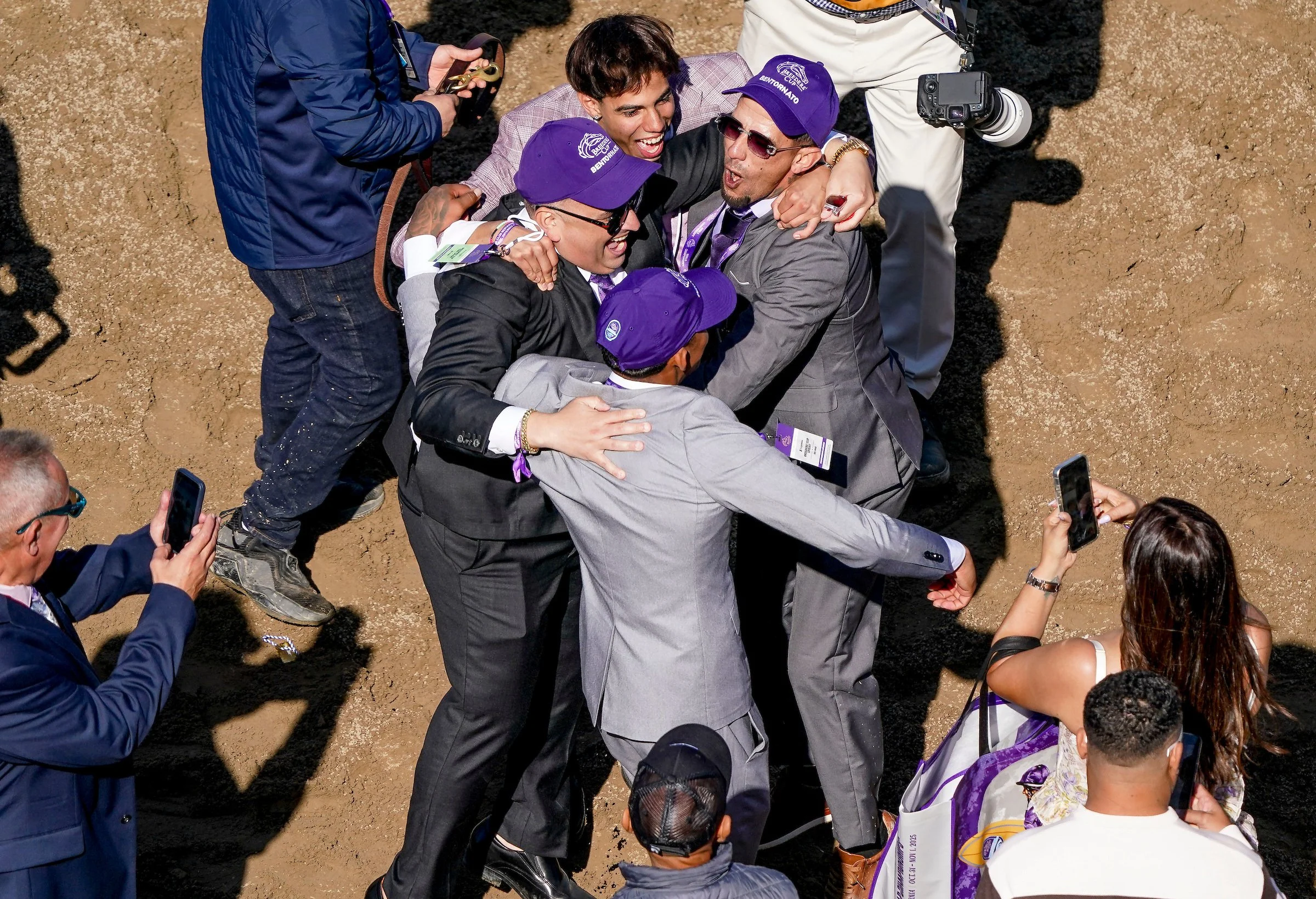
How intense it feels, even with a small share. The adrenaline doesn’t check your ownership percentage before it hits.
How quickly the community forms. In a syndicate or micro-share, you go from strangers to a group that cares deeply about the same result.
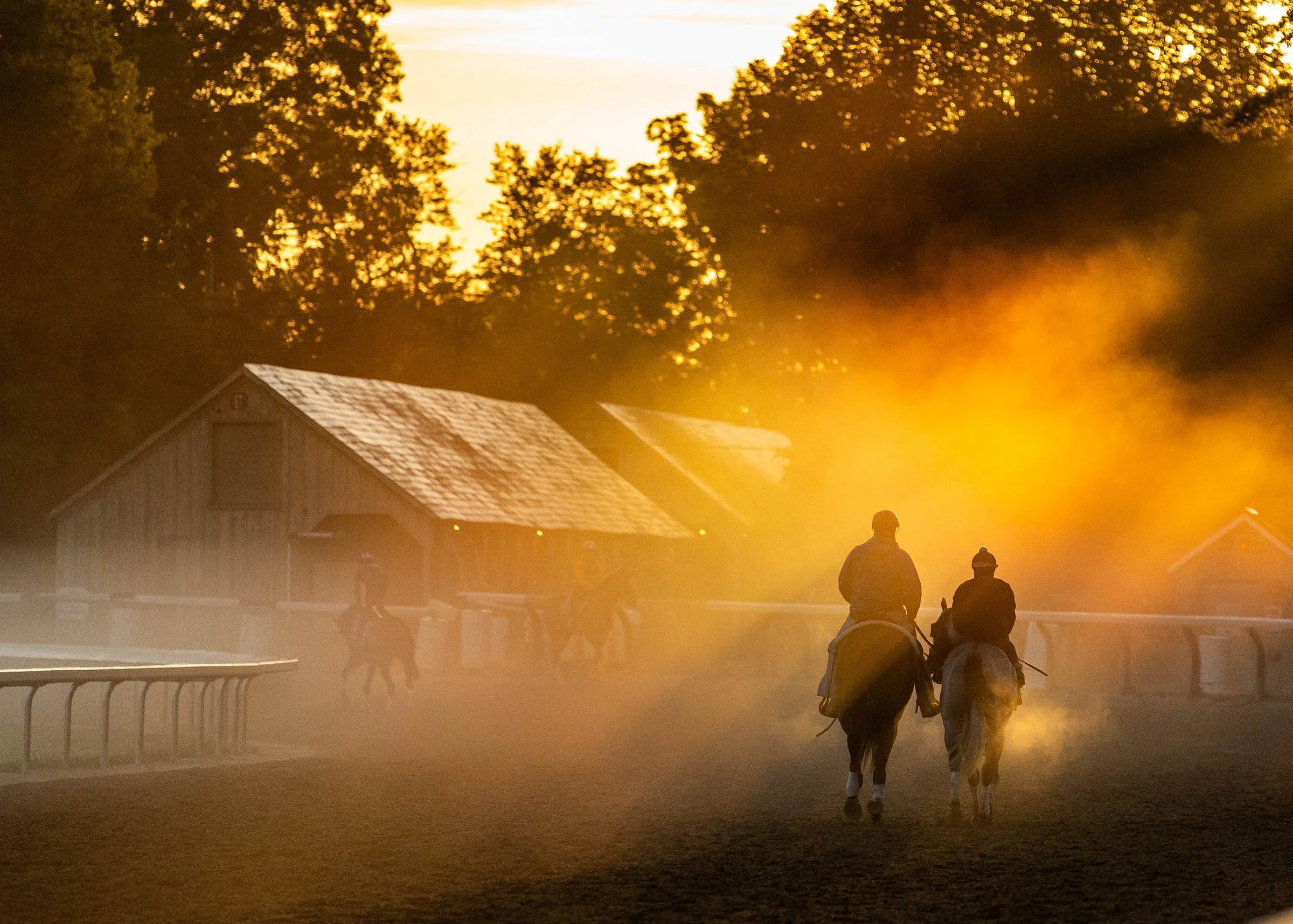
How much work happens behind the scenes. You see the early mornings, vet checks, planning. Racing stops being a two-minute event and starts looking like a months-long build.
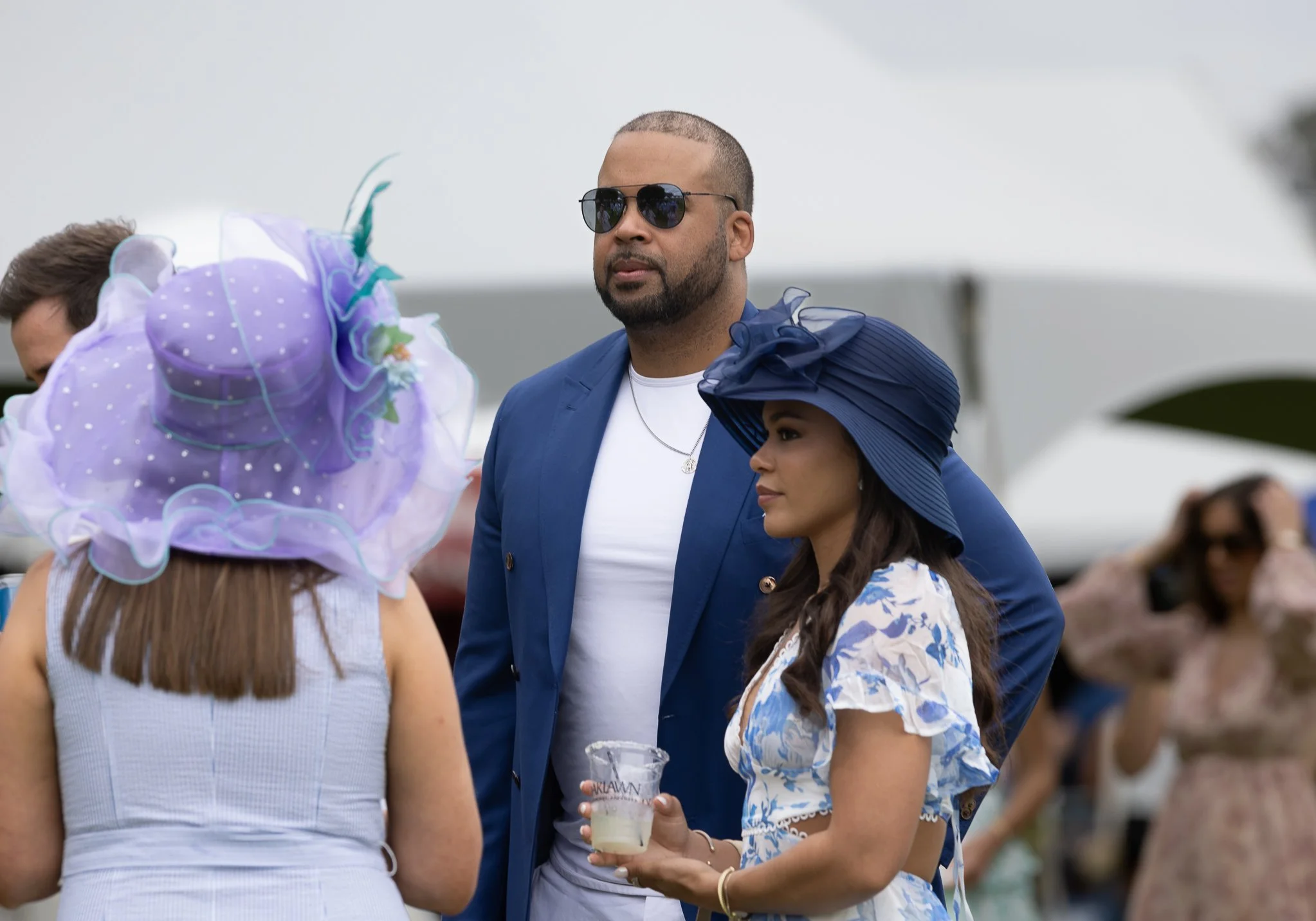
How hard it is to go back to being just a fan. Once you’ve stood in the paddock or followed a horse from training to race day, watching from the outside feels different.
So, Is It Worth It?
Racehorse Ownership Isn’t A Closed-Door Room
There’s room at the table whether you want a small piece or the whole thing.
You don’t have to own one hundred percent of a horse to feel one hundred percent of the rush.
Sometimes it starts with a single share. And then one afternoon your horse turns for home, lowers its head, and the crowd starts to rise. Your silks flash past the wire, and the noise hits all at once.
In that moment, it doesn’t matter how big your percentage is. It just lands.
And for most owners, that’s the answer.