Team Up’
A Deeper Level of Involvement
Ready for more skin in the game?
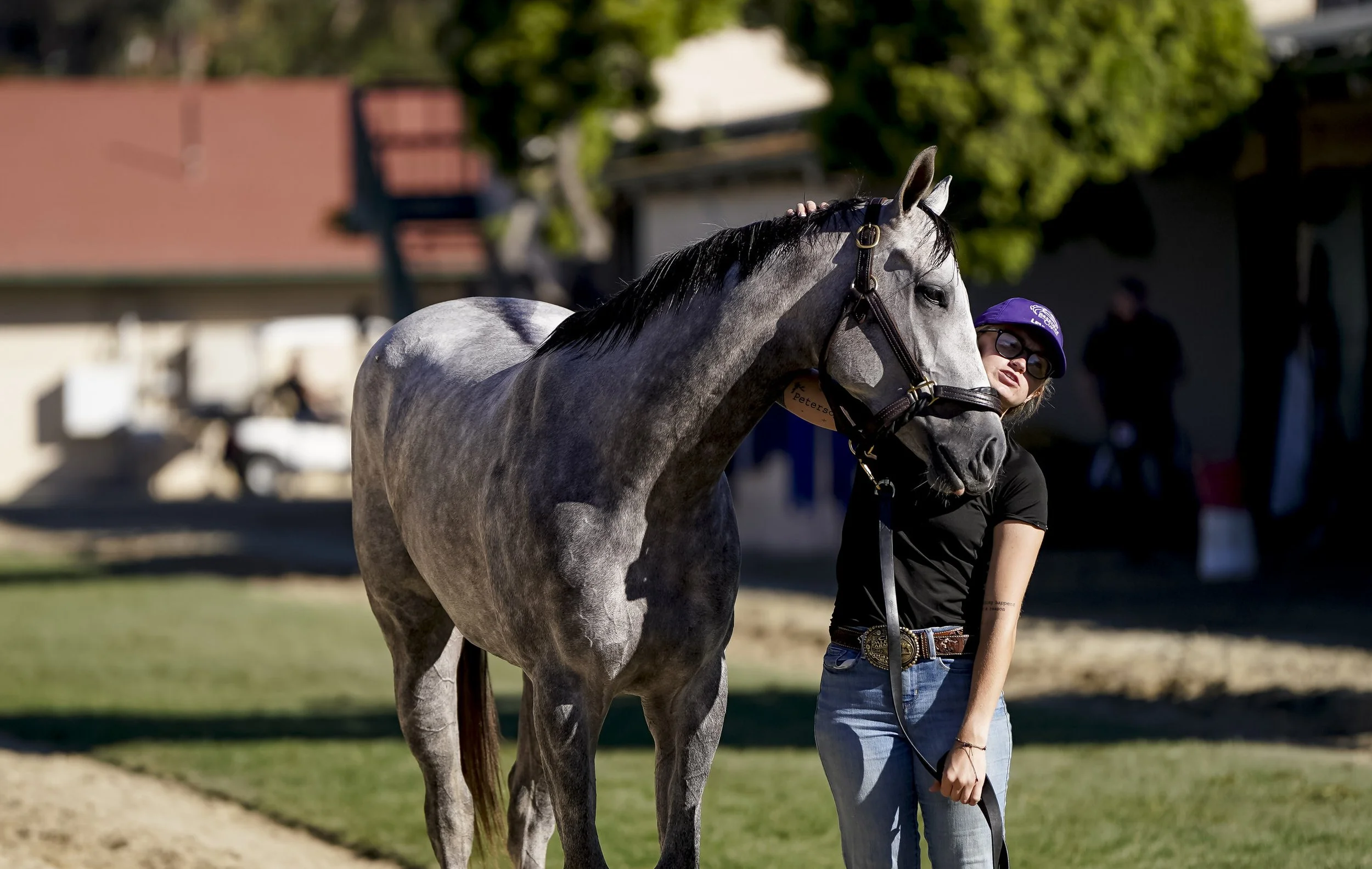
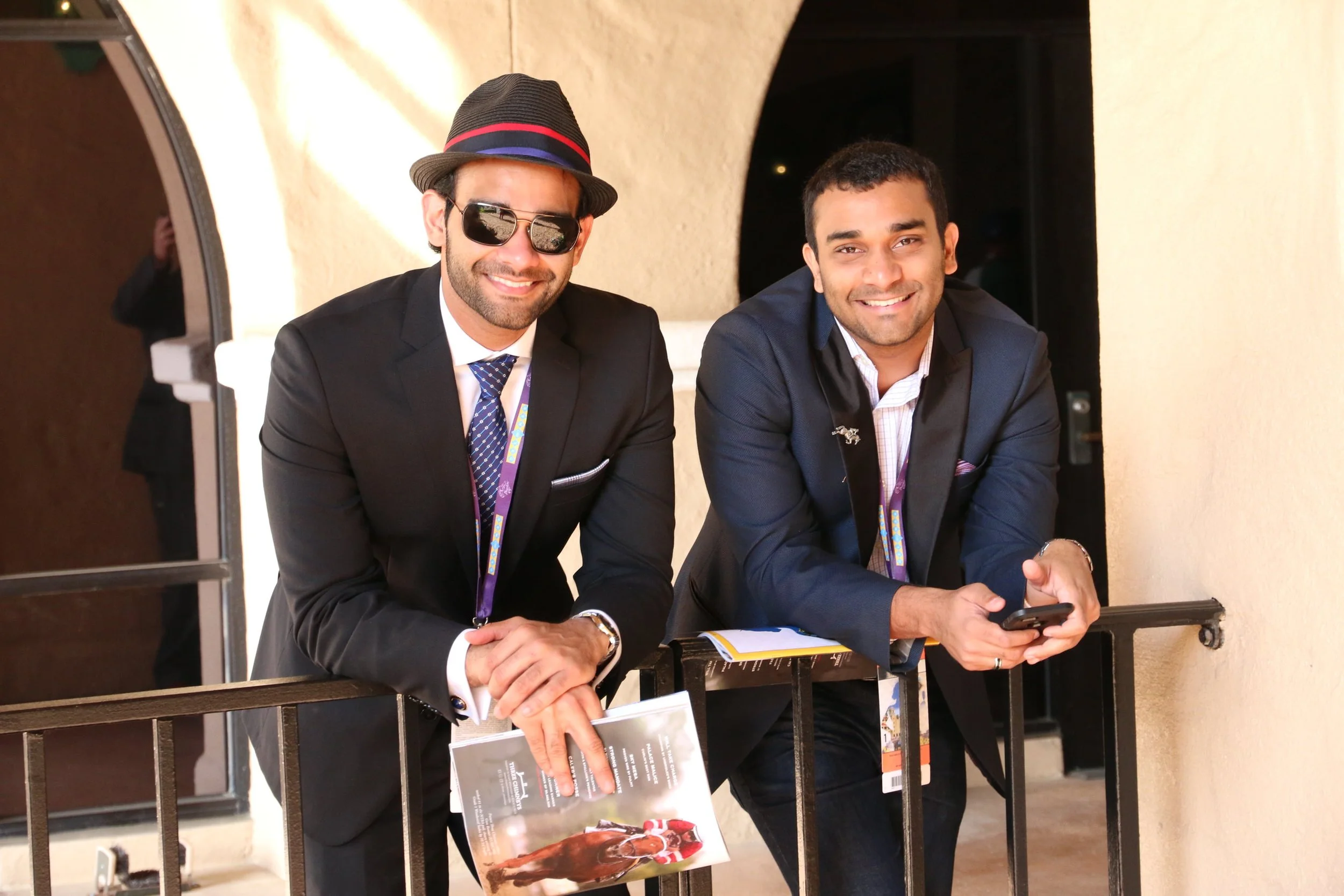
Syndicate ownership takes it up a notch and gets you even closer to the action. A syndicate is simply a group of people who come together to own a racehorse. Instead of one person buying and paying for everything, several people share the cost and the responsibility. The involvement is deeper and the experience is more personal—you’re not one of hundreds or thousands invested in a horse, you are part of the core team.
Who This Is For
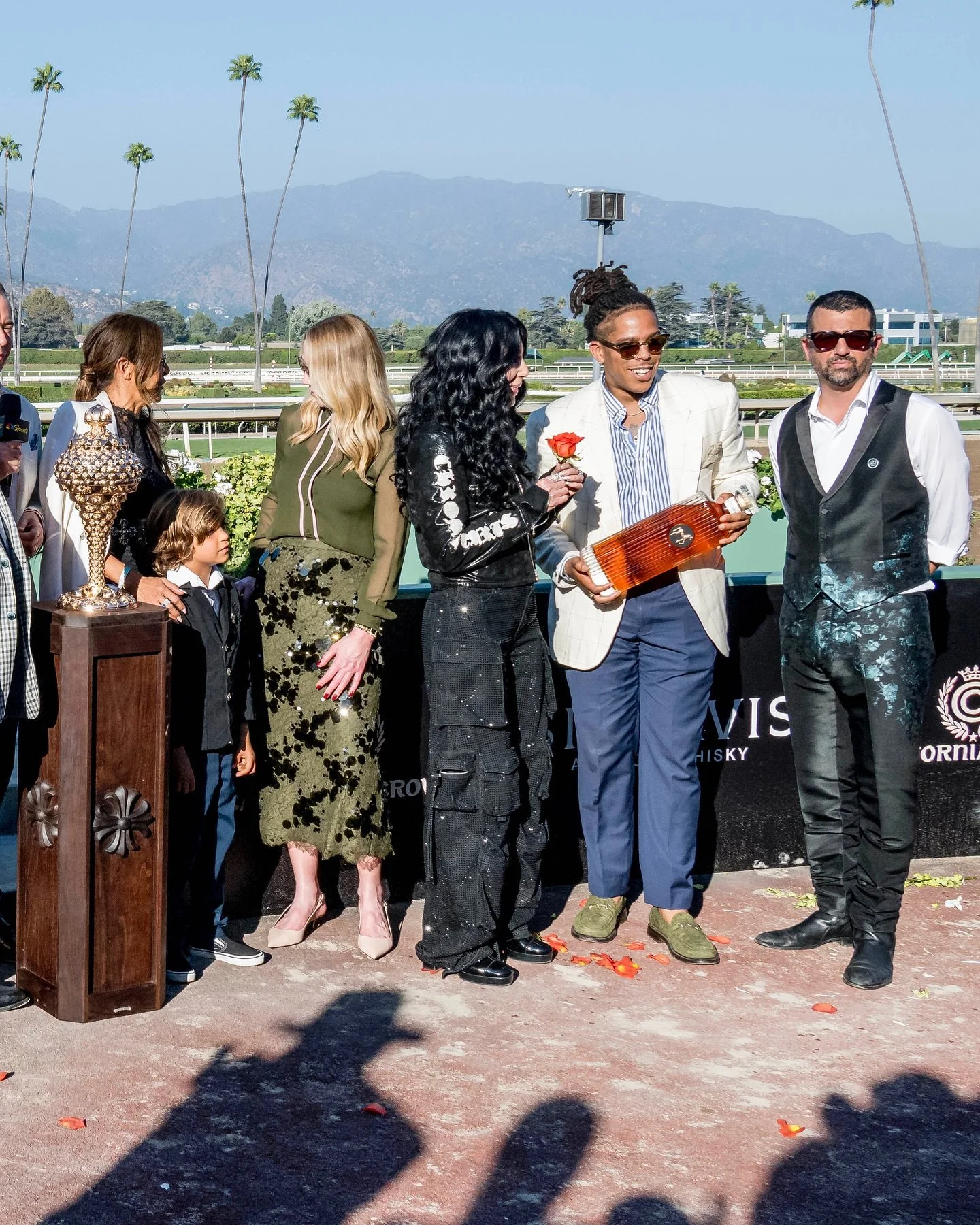
At some point, watching from the RAIL stops being enough.
If you’ve ever watched a horse race and thought, “Owning one of these must be complicated,” you’re not wrong. It can be expensive. It can involve paperwork. It can come with real financial risk. It can also be a lot of fun.
That’s why syndicates exist. A syndicate is simply a group of people who come together to own a racehorse. Instead of one person buying and paying for everything, several people share the cost and the responsibility.
Inside the Syndicate
This is where ownership shifts from trying it to really being part of it.
A syndicate manager handles the complexity by finding the horse, structuring the deal, coordinating training, and managing the day-to-day. You’re not expected to be an expert, so you get to step into a system run by people who are.
At this level, you’re buying a more meaningful stake—often between 5% and 20%—either in a single horse or a small group. It’s shared, but more personal. You’re paying attention, you care how the horse is doing, and slowly but surely, race day starts to matter.
You’ll have an owner’s license, access to the barn, and regular updates from the team. You might not be calling the shots, but you understand them, and you’re part of the conversation.
That’s the advantage here. You get the experience of ownership without having to carry it on your own. Experienced managers handle the strategy, from buying horses to placing them in the right races, while many syndicates bring you along for the ride with education.
It’s collaborative and immersive. And for a lot of people, it’s where ownership clicks.

What This Unlocks
The Fine Print
(Made clear)
At this level, you’re officially in. Your name is on the paperwork, and when the horse earns prize money, your share is paid out accordingly.
Ownership also means sharing the costs that keep a horse competitive, like training, vet care, and day-to-day management. In a syndicate, those expenses are divided across the group based on your stake, spreading both the cost and risk.
The structure varies, which is why choosing the right partners matters. Look for experienced managers or trainers with a proven track record, and don’t be afraid to ask questions. How are expenses handled? How are decisions made? What’s the plan for the horse long term, including retirement?
Reputable syndicates are transparent about both finances and the horse’s progress. The right ones also share data on performance and opportunities to learn more about how decisions are made along the way.
At its best, this model gives you a clearer, more sustainable path into ownership, with shared responsibility, guided expertise, and a better chance to enjoy the ride over time.
Entry Range
Can range from a few thousand dollars to six-figure investments
Ongoing Costs
Expenses depend on the syndicate structure. Some include shared monthly costs, while others are fully prepaid with no additional fees
Time Involvement
Flexible and self-directed
The Unexpected Part
it’s less about winning and more about the ride.
Horse racing is unpredictable. Even the most expensive prospects can stall, get injured, or never make it to the races.
But syndicate partners don’t show up expecting guarantees. They show up for the moments.
The paddock before post time, conversations with the trainer, and the anticipation before the gates open.
Syndicates have reached the sport’s highest peaks—Breeders’ Cup wins, Triple Crown appearances, international stages like the Dubai World Cup. But whether it’s a local track or a global one, the feeling is the same: When the race starts, it’s not just entertainment. It’s personal.

A Smaller Circle
This is a tighter group by design.
Ownership percentages are larger, so the financial commitment is higher. But so is the stake in the outcome. When the horse runs, it feels heavier in the best way.
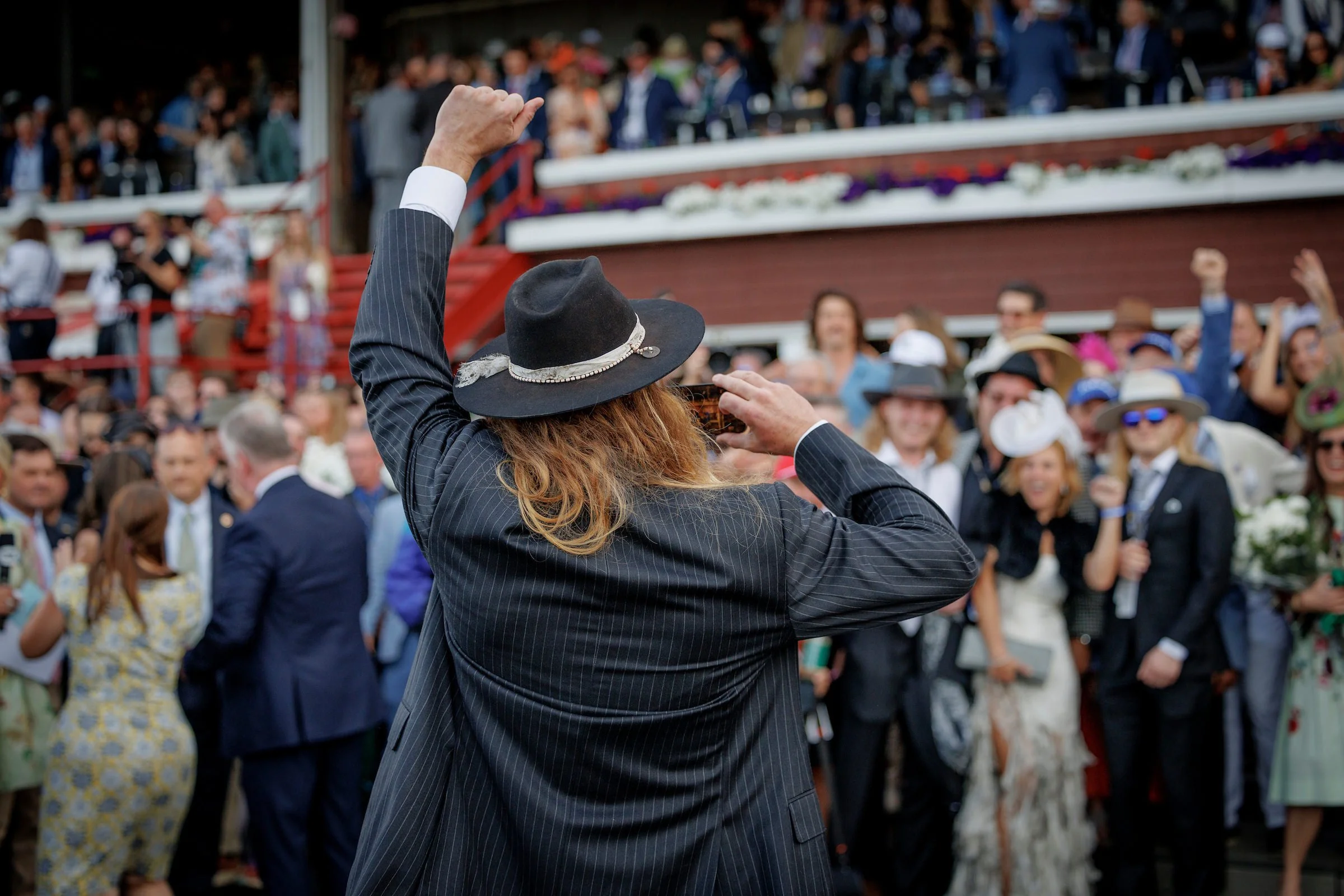
You get to know the other owners. You trade texts before post time and relive the stretch run together.
In a sport defined by highs and lows, that shared experience builds something lasting. For many syndicate partners, the community ends up meaning just as much as the races.
Thinking about a partnership or full ownership? An advisor can help you find the right fit before you commit.
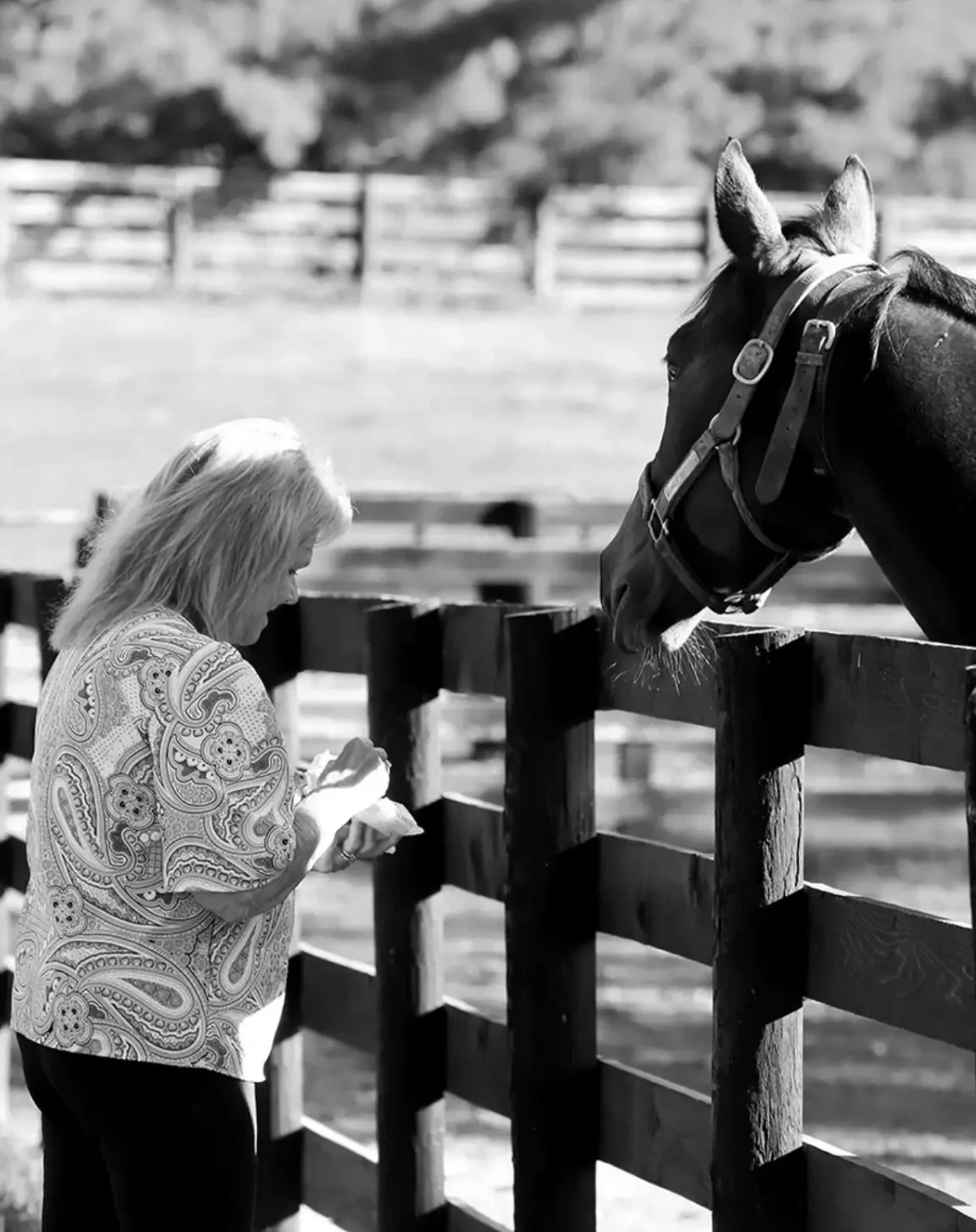
“They are therapy. They help me cope and move on.”
— Debbie Self, Syndicate Ownership, Kentucky